Home / Johkasou-STP
Johkasou-STP
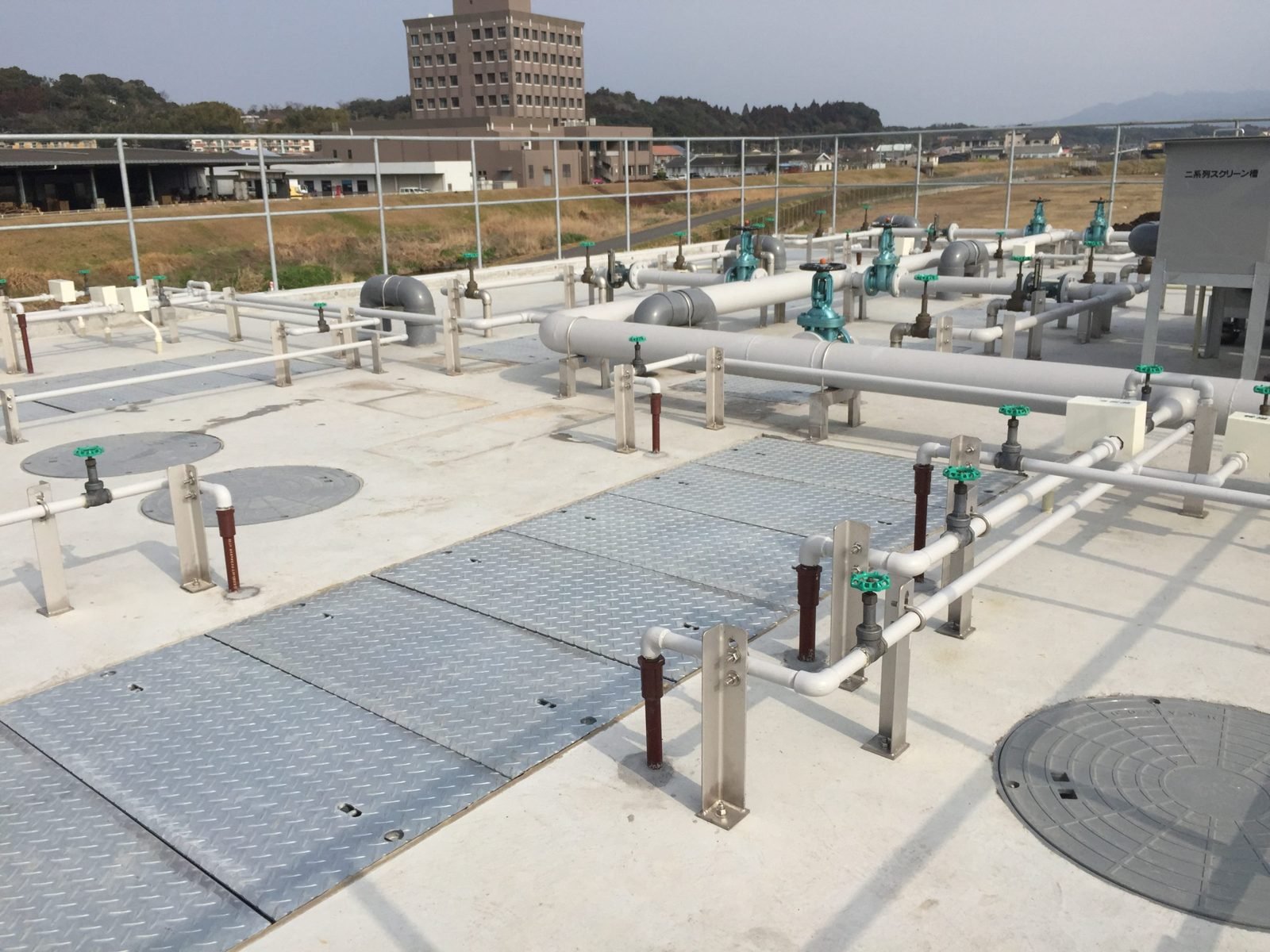
Johkasou-STP:FRP packaged STP plantsfrom 1 KLD homes tomulti-MLD plants
Capsule and cylinder tanks, four treatment grades from standard to membrane, and special plants for fecal sludge and construction camps.
Tank types and capacities
Two tank types that combine into any capacity
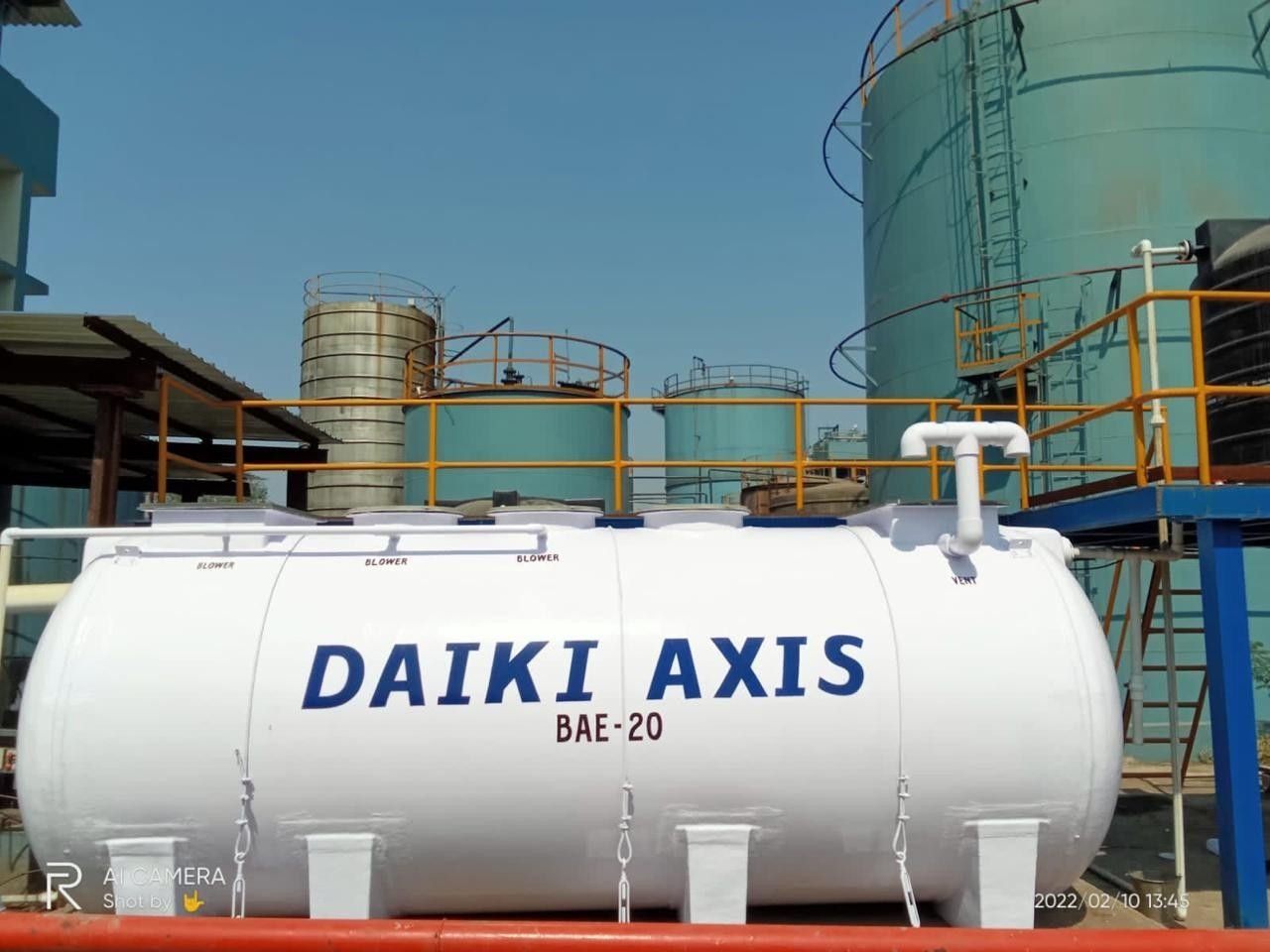
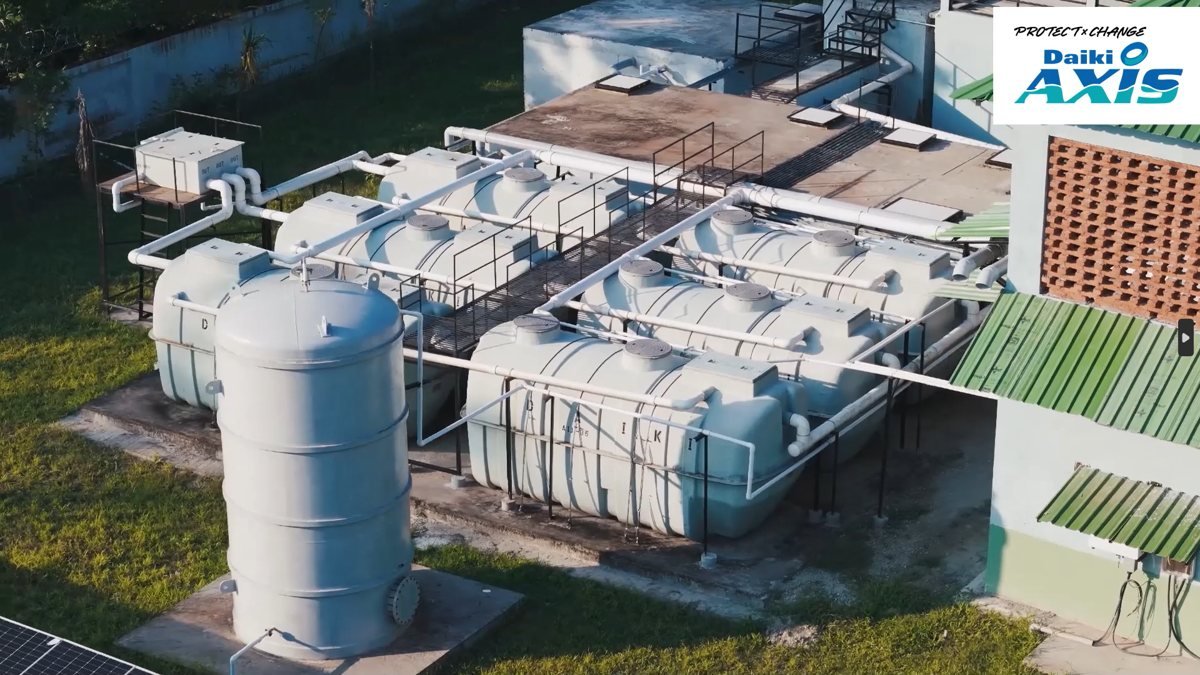
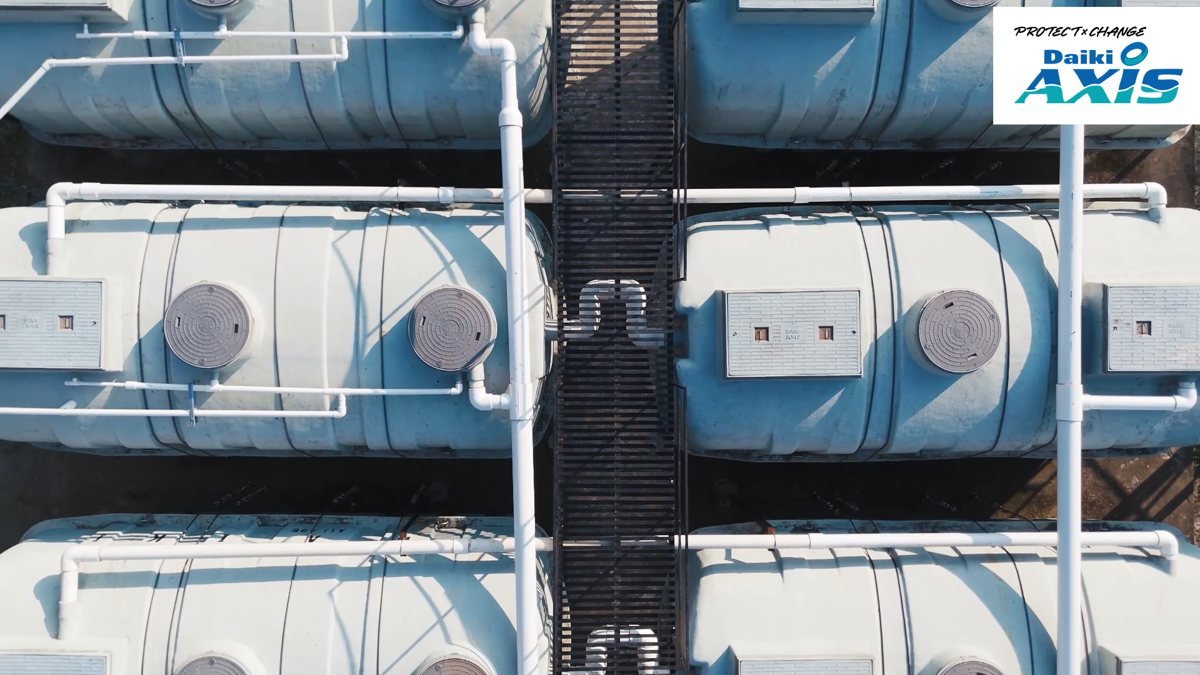
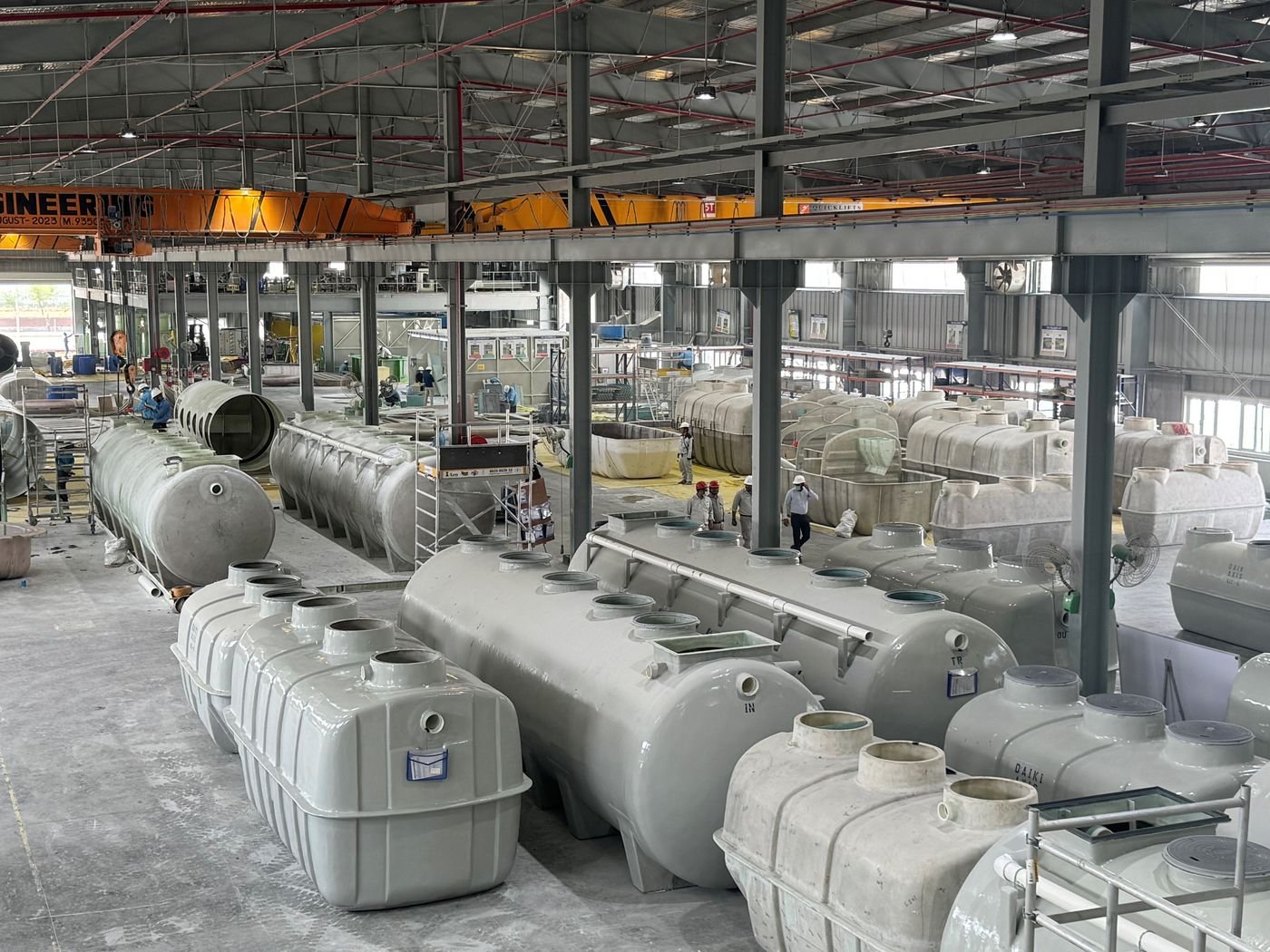
Each compact, prefabricated tank is built in FRP at our Indian factories. The design is modular: several tanks run in parallel when a site needs more capacity.
Capsule type
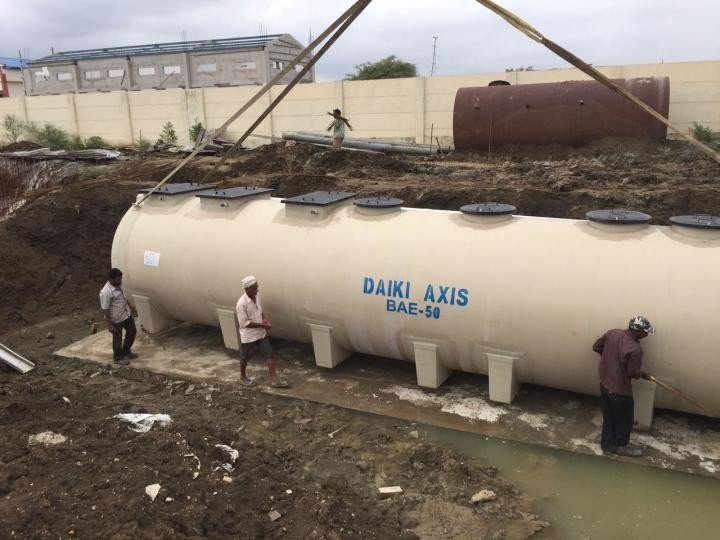
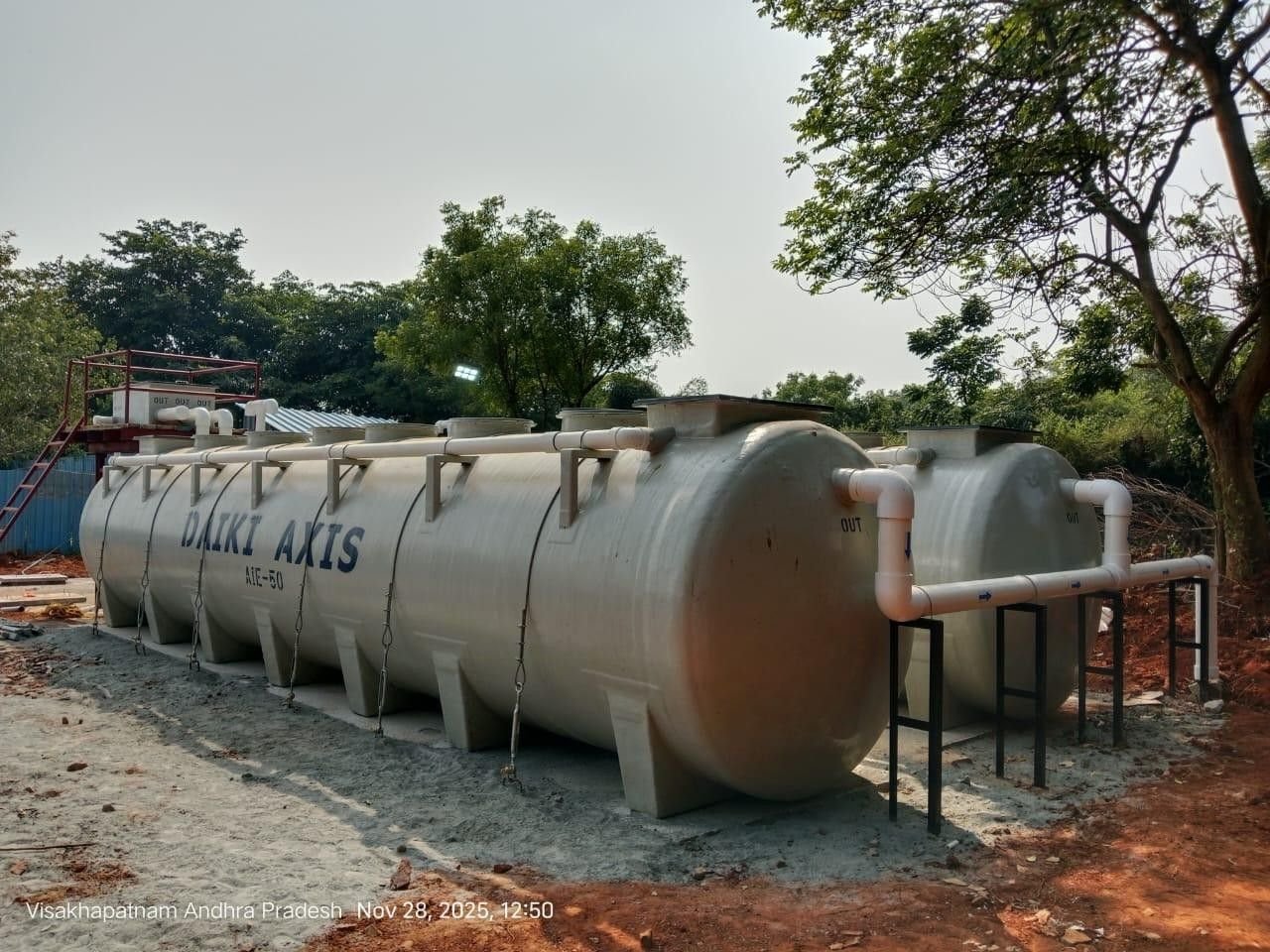
Compact tanks for homes, villas, small offices, shops and parks. Two capsules joined together cover up to 50 KLD.
Cylinder type
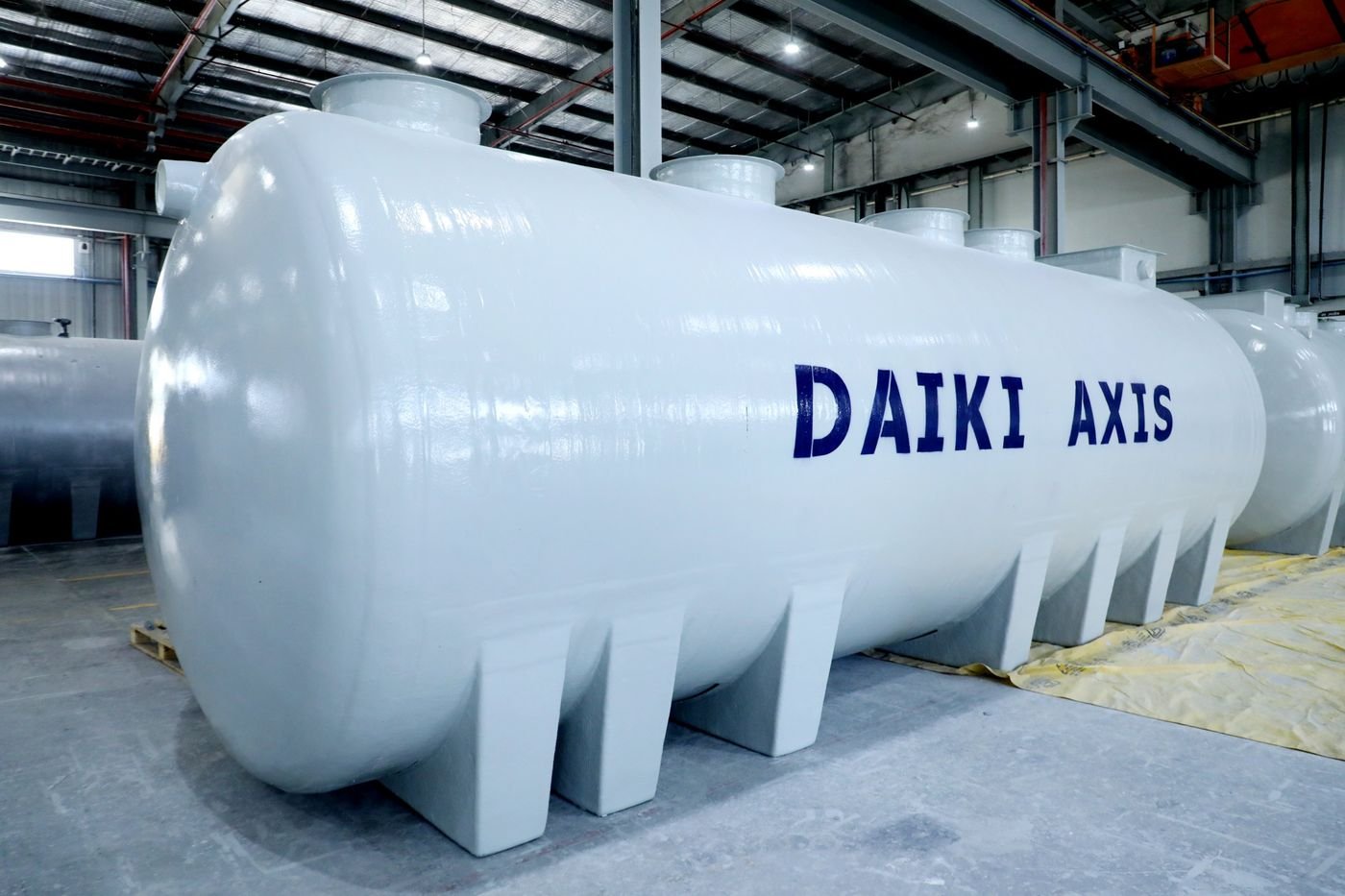
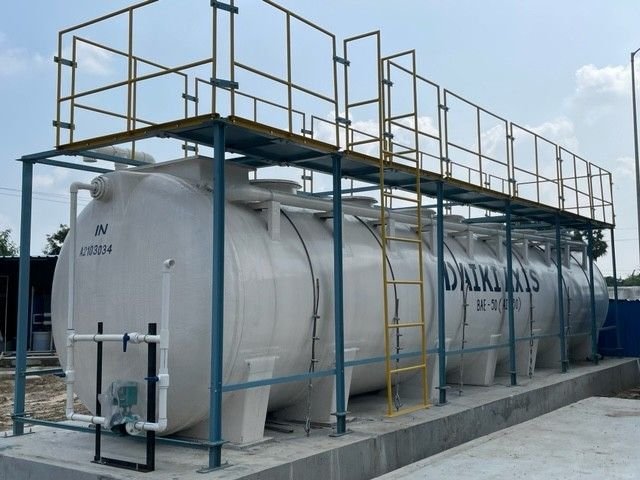
Larger tanks for apartments, hotels, hospitals, factories and campuses.
Combined modules
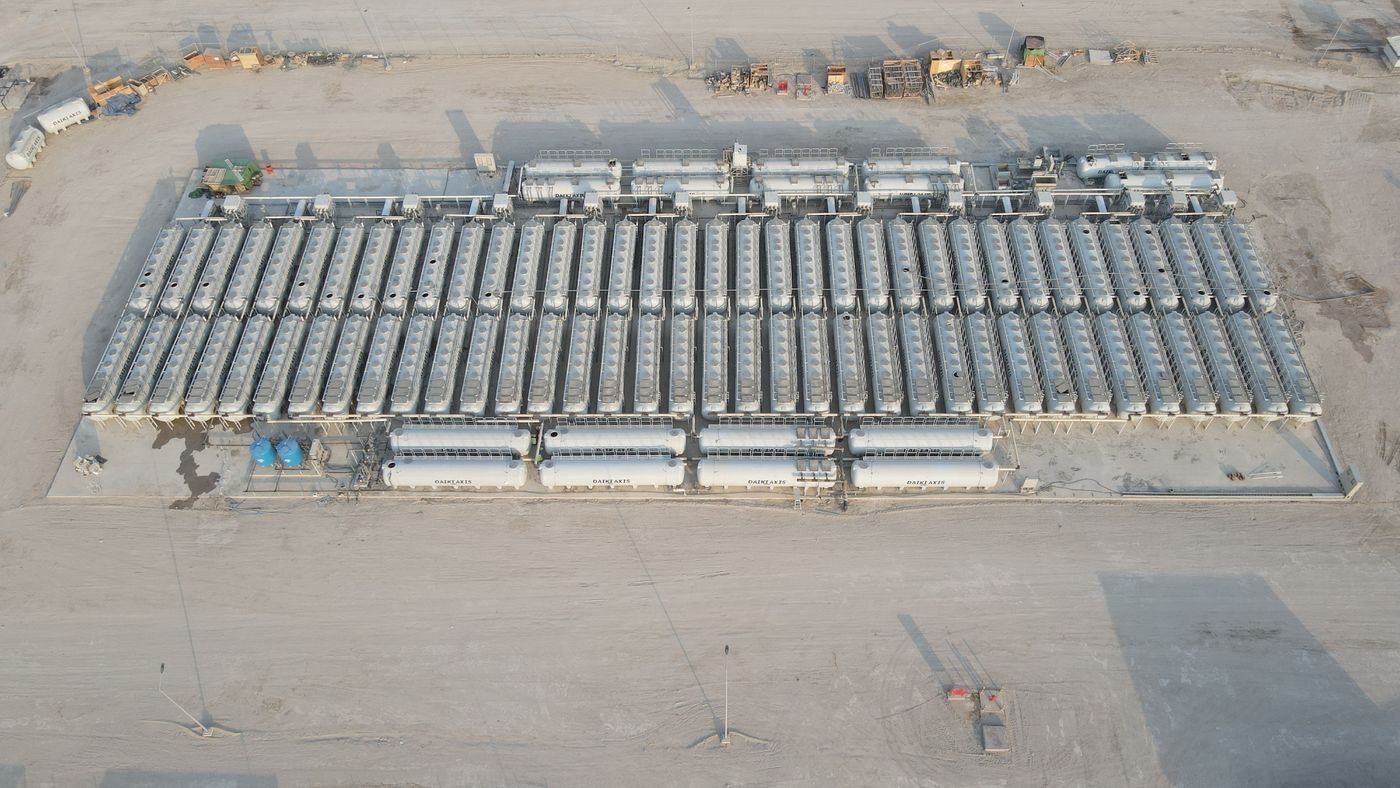
Tanks in parallel for railway stations, townships and industrial parks.
Large plants
Multi-module plants delivered by the group for construction sites and river-cleaning projects.
How to choose: grade first, then tank shape
First choose the treatment grade (AI, AJ, AA or AM/MR) by the water quality you need. Then choose the tank shape, capsule or cylinder.
Up to 50 KLD, our usual recommendation is the capsule type, with two capsules joined for the larger sizes. A 50 KLD plant can also be built as a single cylinder. The choice between the two depends on the shape of the land and on how the pipes can be laid at the site.
Treated-water quality by model
Four treatment grades: AI, AJ, AA and AM/MR
Choose the grade by the discharge or reuse standard in your consent. The AI model meets the CPCB standard on its own. With a sand filter added, it also meets the NGT guideline.
| Parameter | Inlet | AI model | AJ model | AA model | AM / MR (membrane) |
|---|---|---|---|---|---|
| Direct Performance | CPCB Standard | NGT guideline | |||
| pH | 6–8 | 6–8 | 6–8 | 6–8 | 6–8 |
| BOD | 300 | 20 | 10 | 10 | 5 |
| COD | 450 | 50 | 50 | 30 | 10 |
| Suspended solids | 240 | 30 | 20 | 10 | 5 |
| Oil and grease | 50 | 10 | 10 | 10 | 5 |
| Total nitrogen | 50 | 45 | 20 | 10 | 10 |
| Total phosphorus | 10 | 10 | 10 | 1 | 1 |
MBR Johkasou
Membrane treatment inside the Johkasou tank
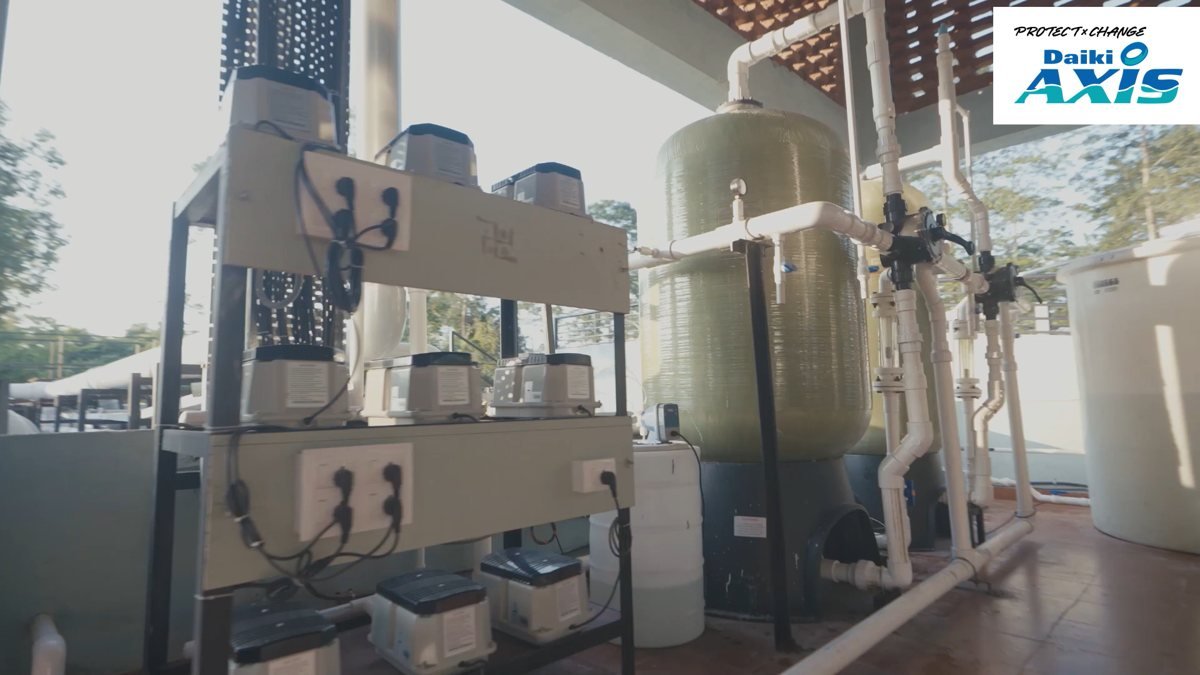
The MBR Johkasou is for sites that need the highest reuse quality. Sewage passes through a screen, flow control, aerated screening, denitrification, membrane treatment and disinfection, all inside the FRP tank.
- Design outflow: BOD 5 mg/L, COD 10 mg/L, total nitrogen 10 mg/L.
- Daiki Axis’ own membrane, 0.4 micron pore size, developed from more than 45 years of experience.
- MLSS control keeps the biology healthy, so no bio-culture has to be added even when occupancy is low.
Membrane exchange and cleaning service
Membranes are the main running cost of any MBR. With ordinary cleaning on site, membrane life is about 4 to 5 years.
Daiki Axis exchanges the membrane every year, cleans it at its own facility and returns it refreshed. This service can double membrane life to about 8 to 10 years and needs no chemical cleaning at your site.
Special plants
Fecal sludge treatment and construction camp STPs
Fecal sludge treatment plant (F-STP)
Johkasou-based fecal sludge treatment plants run in Japan for municipalities and private companies. In India, Daiki Axis built the first decentralised F-STP in Arunachal Pradesh, at Namsai, where the final sludge cake is composted and sold under the municipality’s brand.
| Stage | BOD | COD | TSS |
|---|---|---|---|
| Bar screen (raw sludge) | 1,000–1,200 | 4,000–5,000 | 10,000–20,000 |
| Screw press | 250–350 | 400–600 | 300–600 |
| Johkasou STP | 10–20 | 50–75 | 20–30 |
| Sand and carbon filter | under 10 | 30–50 | under 30 |
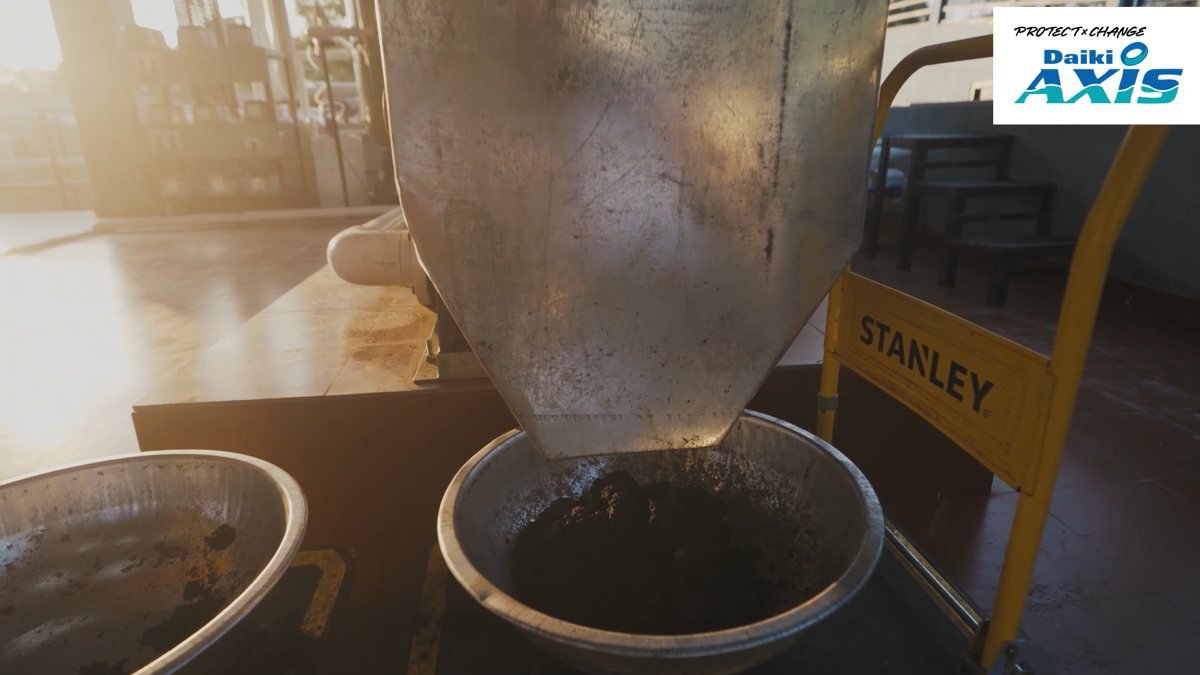
STP for construction camps
Labour camps need sewage treatment before work starts, more capacity as the workforce grows, and nothing left behind at the end. Johkasou tanks fit all three.
- Quick start: dispatch from the factory in 2 to 3 days, installation in 2 to 3 days, biological commissioning in 10 to 14 days. Full operation within about 20 days.
- Capacity follows the schedule: add or remove tanks as the camp grows and shrinks.
- Reusable: move tanks to the next site, or keep them as the permanent plant.
Reference plants include construction camps in Tamil Nadu, and overseas group projects of 600 KLD (gas plant, Algeria) and 3,600 KLD (oil plant).
Made in India
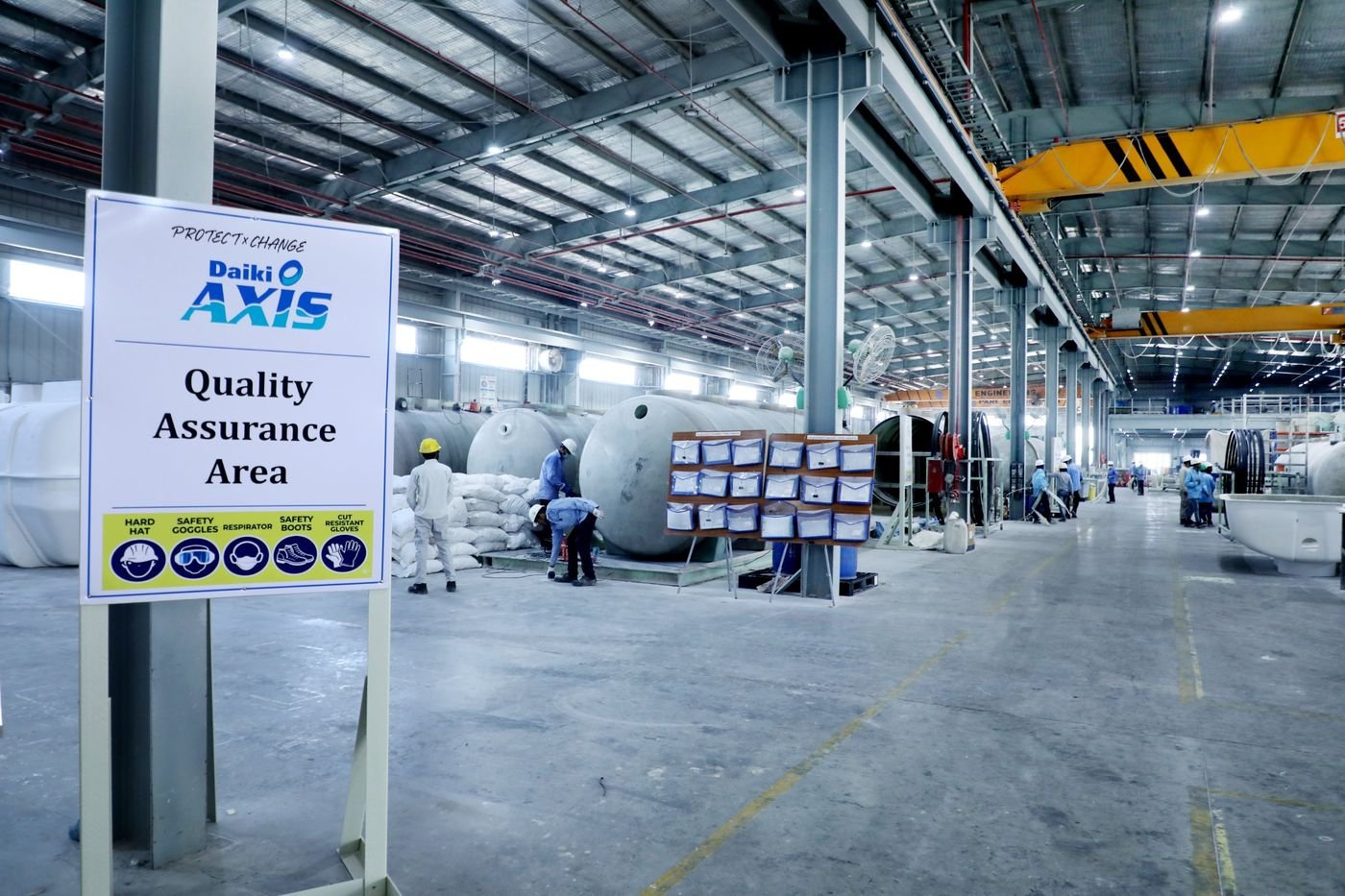
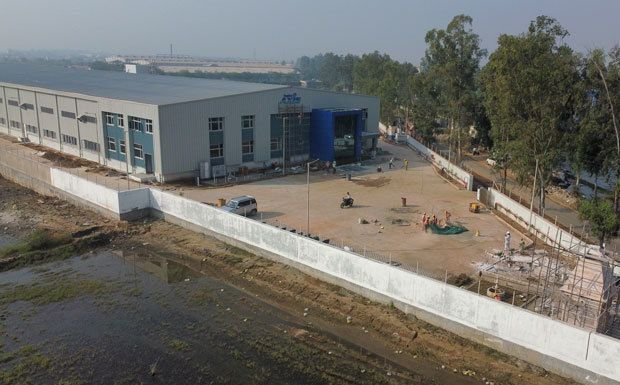
Built in Vadodara and Palwal, about 95% local content
Daiki Axis Environment Pvt. Ltd. manufactures Johkasou tanks in India to Japanese quality standards. Only the air blower is imported.
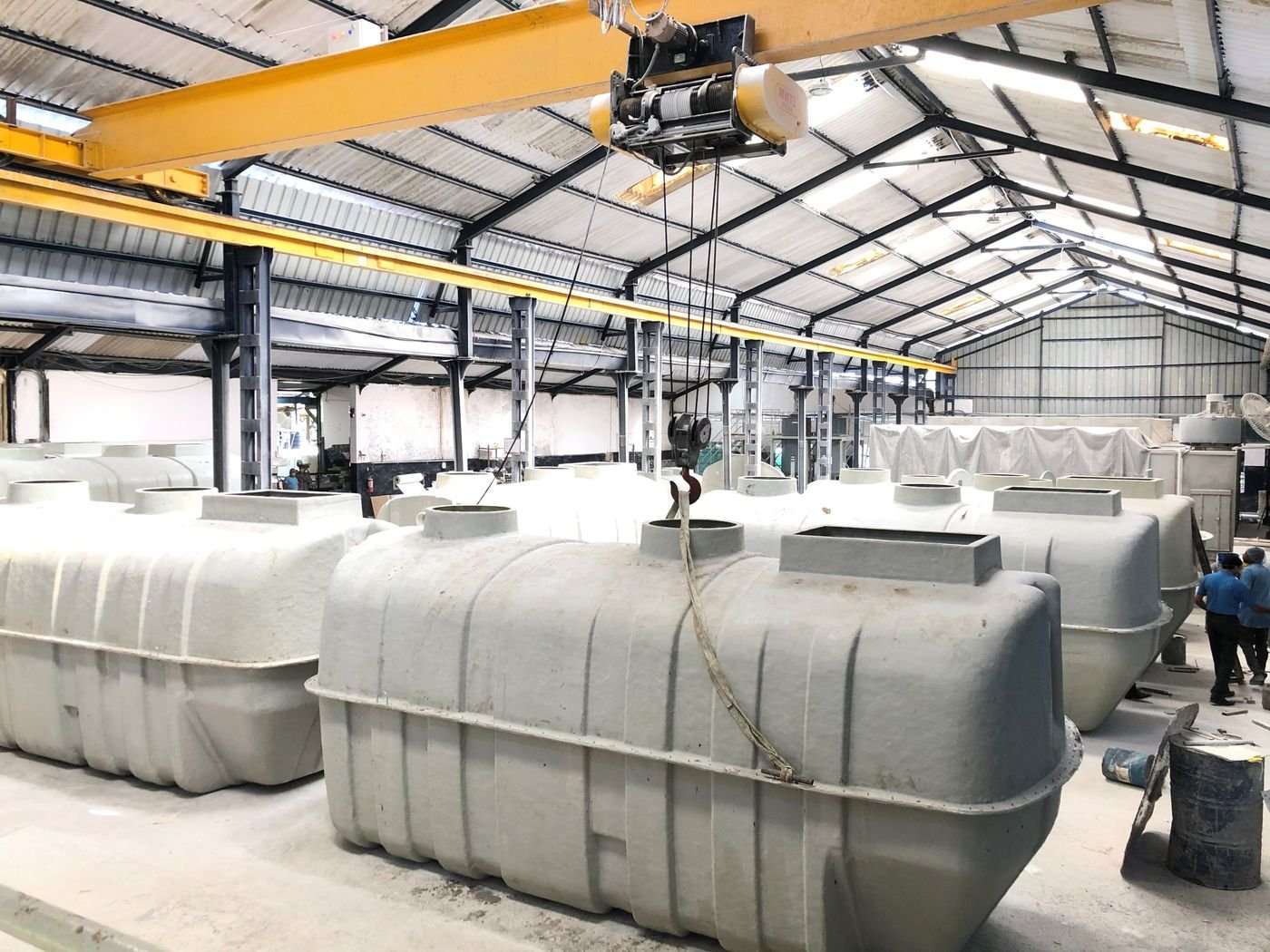
How a cylinder tank is made
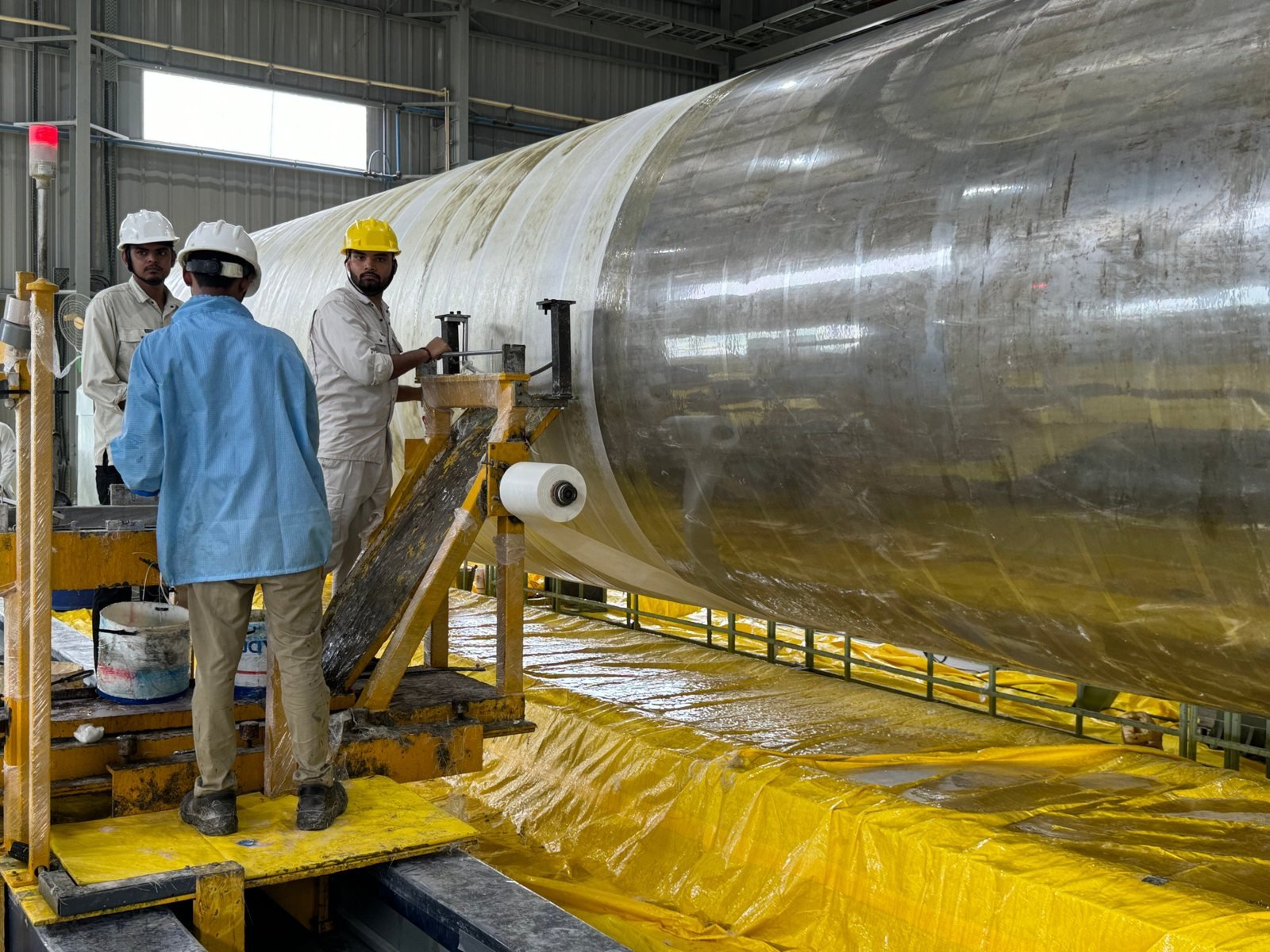
Cylinder type Johkasou tanks are made by filament winding. Glass fibre soaked in resin is wound layer by layer around a rotating steel mould, which gives an even wall thickness and high strength along the whole tank.
After curing, the shell is removed from the mould, fitted with its internal chambers and media, and tested before dispatch. Building the tank in a factory, not on site, is what keeps quality consistent from one plant to the next.