
Home / Applications
Applications
STP plants for apartments, hotels, hospitals, industries and public projects
The same Johkasou technology is sized and configured differently for each kind of site. Here is how we approach each one.
Where Johkasou STPs are installed
One technology for every sitethat generates domestic sewage
Apartments and housing societies
STP for residential buildings, with treated water for flushing and gardens.
Hotels and resorts
Odour-free, silent plants that sit below ground, away from guests.
Hospitals and clinics
Reliable treatment where a plant failure is a compliance and hygiene risk.
Schools and universities
Campus plants that handle term-time peaks and holiday lows.
Factories and industrial parks
Domestic sewage from canteens, toilets and workers’ housing.
Commercial buildings and IT parks
Water reuse that cuts freshwater demand for flushing and cooling.
Railway stations and public facilities
Fast-install plants for high-footfall public infrastructure.
Villages, hill towns and river towns
Sewage treatment for places a sewer network will not reach.
Reuse of treated water
Where treated water goes back to work
Treated water from a Johkasou STP is a resource for non-drinking uses. The treatment grade is chosen to suit the reuse.
Ecological reuse
- Landscaping
- Urban forests
- Water body recharge
- Parks and gardens
- Indirect groundwater recharge
Civic reuse
- Railways
- Construction
- Fire hydrants
- Vehicle and road washing
- Public toilets
Industrial reuse
- Thermal power
- Chemical
- Textile
- Automobile
- Pulp and paper
- Oil and petroleum
Agricultural reuse
- Irrigation
- Horticulture
- Fisheries
By type of site
What changes from one site to the next
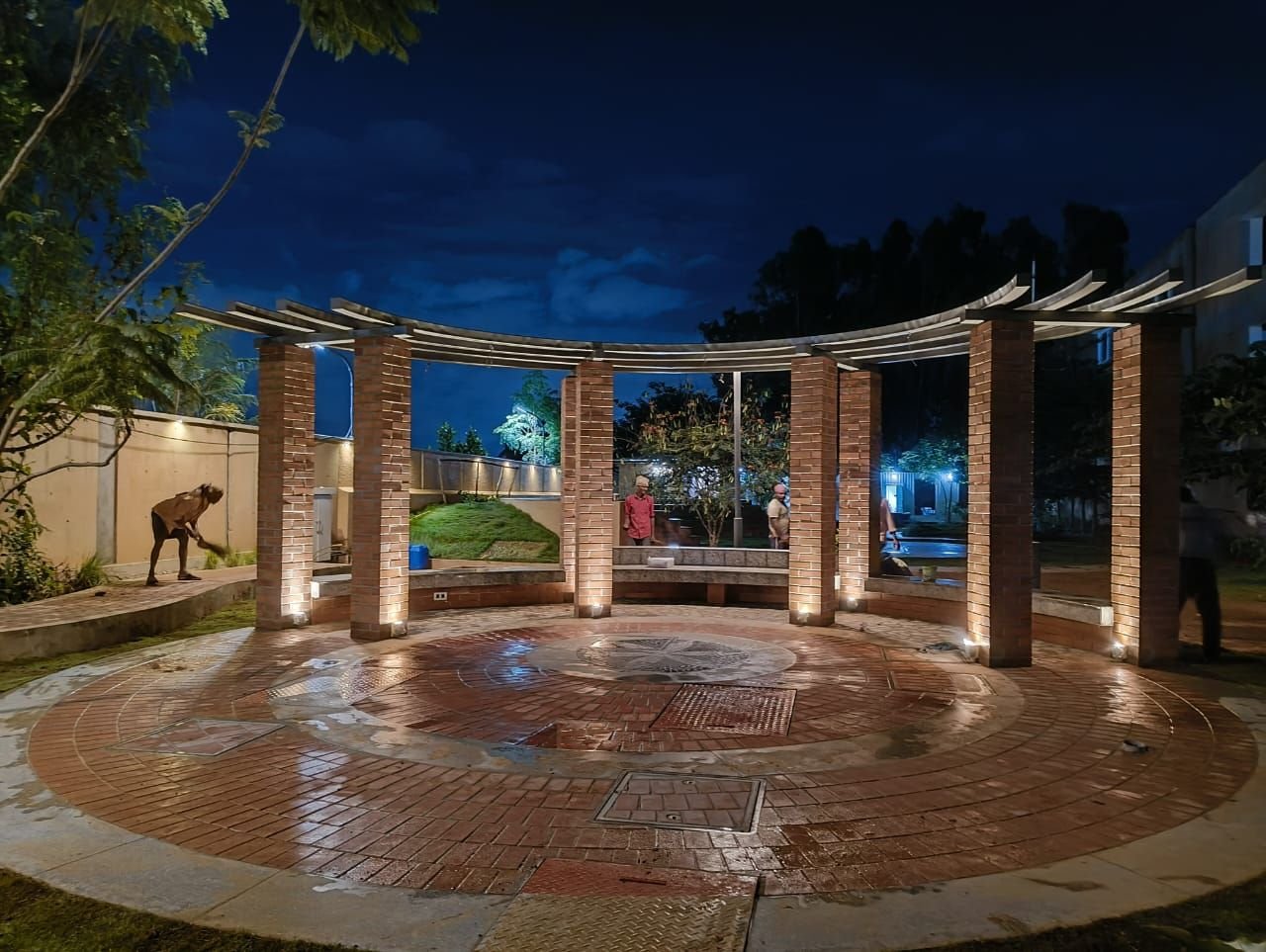
STP for apartments and housing societies
A typical apartment complex needs around 60 KLD. Tanks go under the car park, driveway or garden, so no land is lost, and treated water returns to flushing and gardens.
STP for individual homes and villas
A 1 KLD capsule tank replaces the septic tank and soak pit and fits under a lawn.
STP for factories and industries
More than half of our installations in India are at industrial sites. A typical factory needs around 30 KLD for domestic sewage from toilets, canteens and showers. Canteen and kitchen wastewater is stronger, and we size for it.
STP for commercial buildings and offices
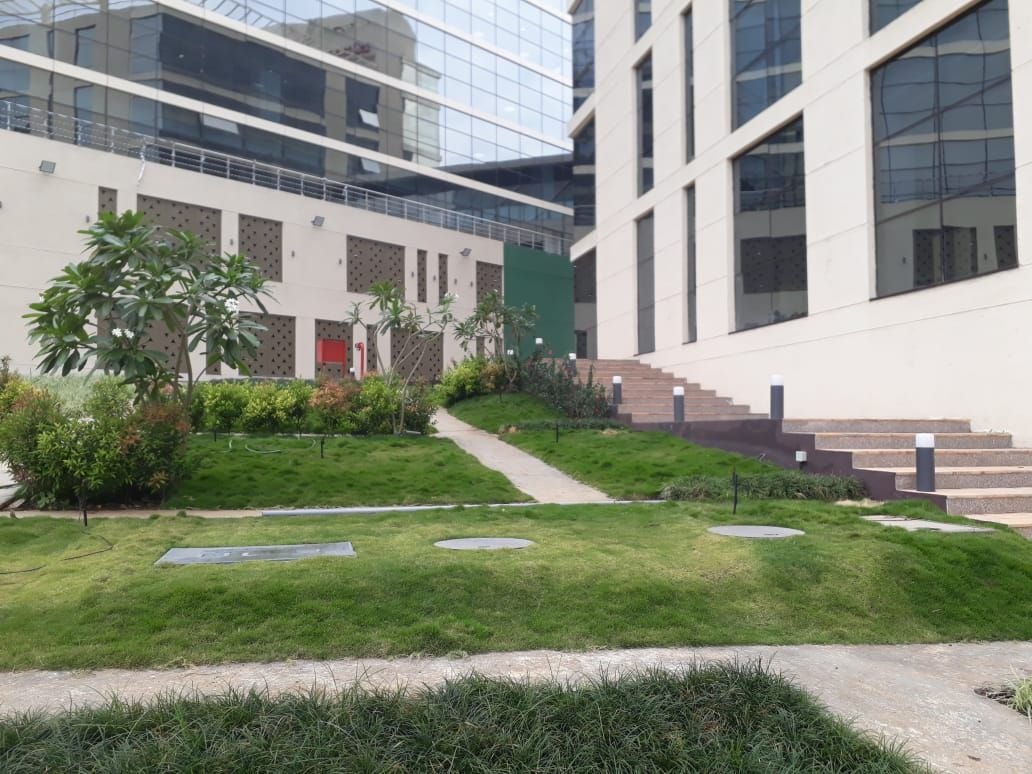
A typical commercial building needs around 40 KLD. Tanks are often installed under green areas at the front of the campus, with no noise or odour.
STP for hotels, resorts and restaurants
Kitchens produce concentrated wastewater in a few busy hours. We size for the peak and recommend a grease trap ahead of the plant.
STP for hospitals and clinics
Hospitals need a check of infection lines, acid items, chemicals and special disinfection before the plant is designed. Talk to our engineers early.
STP for schools, universities and tourist places
Sewage flow stops in holidays and returns suddenly. In the IIT Roorkee test, a Johkasou returned to normal performance within 15 days of restart.
STP for parks and stadiums
About one in five of our Indian installations is at a park or stadium, including more than 60 parks in Delhi under the Delhi Development Authority. Treated water irrigates lawns, trees and flower beds.
STP for railway and metro stations
Daiki Axis has installed Johkasou at more than 60 metro stations in India and Japan, and 100 KLD plants at Mumbai Central, Chheoki and Sonipat railway stations.
STP for municipalities, villages and hill towns
Decentralised plants serve places a sewer network will not reach, including Namami Gange projects of 500 to 800 KLD and twelve decentralised STPs under the Smart City Mission in Nagpur.
STP for residential layouts and gated communities
Plotted layouts and villa communities are occupied in phases. A residential STP made of modular tanks starts small and adds capacity as homes fill up.
STP for construction and labour camps
Tanks reach full operation within about 20 days and move to the next site when the job ends.
STP for festivals and large gatherings
For events such as the Kumbh, modular Johkasou plants serve hotels, ghats, dharamshalas and tent cities. Deployment can be temporary or permanent, and tanks move from one festival site to the next.
Replacing a failed STP
Revamp a failed civil STP with packaged units
Many concrete STPs in apartments, hotels and commercial buildings stop meeting Pollution Control Board norms within a few years. The usual causes are missing operators, power cuts and worn equipment.
Prefabricated Johkasou tanks can replace the failed plant or run beside it. They arrive finished, so the changeover takes days, and the building keeps its consent to operate.
What we check first
- Actual sewage flow and peak hours, against the original design.
- The treated-water standard in your current consent.
- Space for tanks: above ground, under the car park or under a garden.
- Which existing tanks and pipes can stay in use.
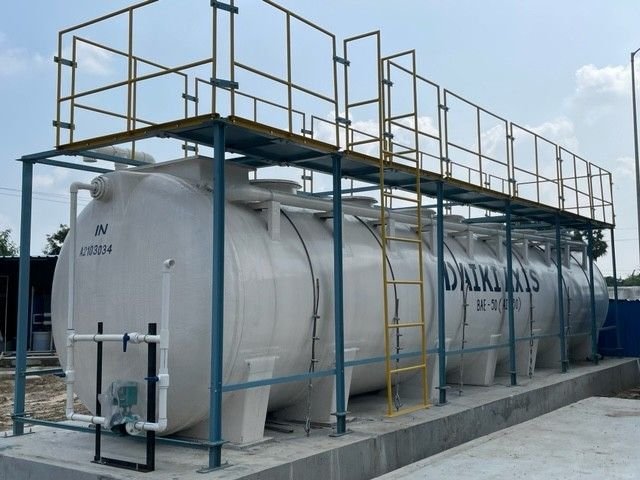
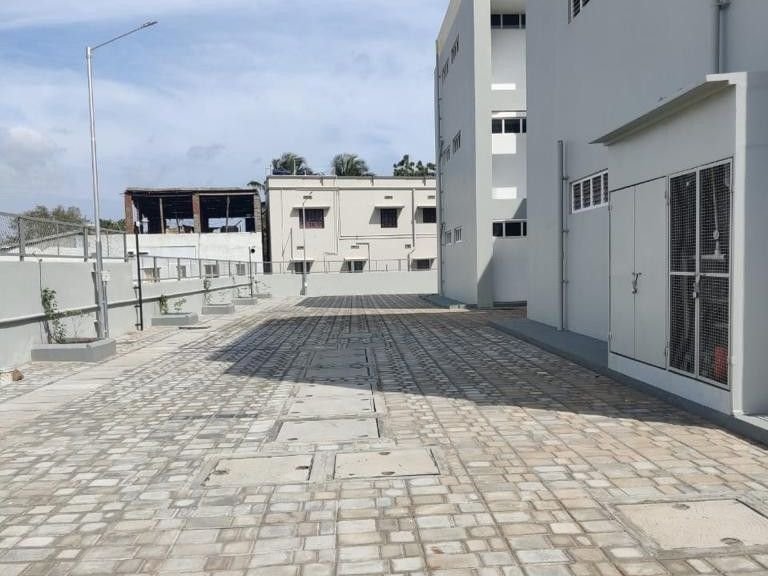
Installation options
Above ground, under a car park, or under a garden
Where treated water is reused
- Ecological reuse: landscaping, urban forests, parks and gardens, recharge of water bodies.
- Civic reuse: railways, construction, fire hydrants, vehicle and road washing, public toilets.
- Industrial reuse: thermal power, chemical, textile, automobile, pulp and paper, oil and petroleum plants.
- Agricultural reuse: irrigation, horticulture and fisheries.
Why most Indian customers install an STP
In Japan most Johkasou owners install a plant to protect the environment. In India the main reason is water: about three in four Daiki Axis customers say they installed their plant to reuse treated water.